
Step-by-Step: Build Vacation Rental Website from Scratch  
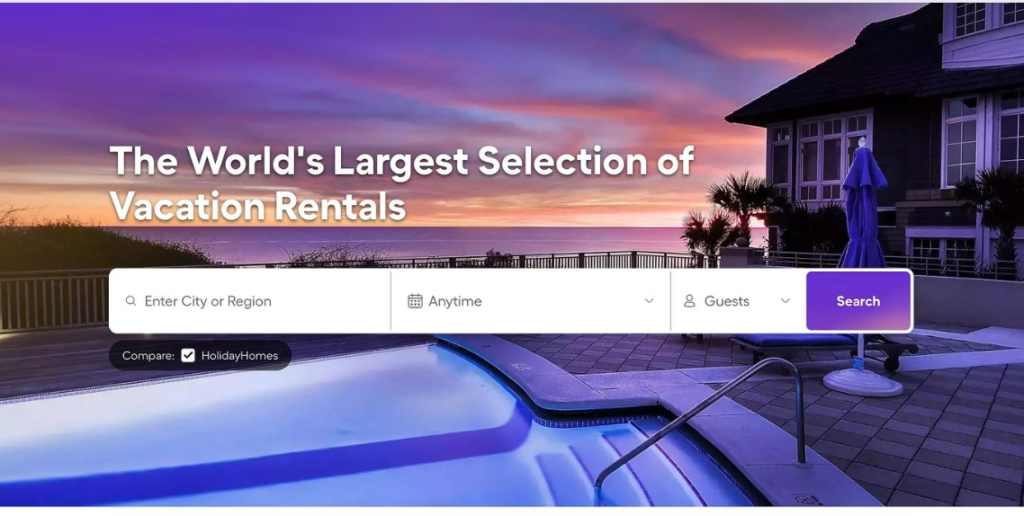
Creating a vacation rental website from scratch is an exciting endeavor that involves careful planning, design, and development. In this comprehensive guide, we'll walk through each step to help you build Vacation Rental Website platform. Whether you're a seasoned developer or someone exploring web development for the first time, this step-by-step guide will provide valuable insights. 

Define Your Requirements 

The journey begins with a clear definition of your website's features and functionality. Consider essential elements such as user registration, property listings, search options, booking systems, and user reviews. Take the time to outline your specific needs, keeping in mind the unique aspects of the vacation rental industry. 

Choose a Technology Stack 

Selecting the right technology stack is crucial for the success of your project. Decide on the programming language, web framework, and database that align with your goals. Popular choices include HTML, CSS, JavaScript, and backend frameworks like Django or Node.js. This foundational decision will influence the development process and determine the scalability and flexibility of your website. 

Set Up a Development Environment 

Prepare your development environment by installing the necessary tools, including a code editor, a version control system (e.g., Git), and a local server. This ensures a smooth workflow and facilitates collaboration if you're working with a team. Establishing a solid foundation at this stage will save time and streamline the development process. 

Step 4: Design the User Interface (UI) 

Create wireframes and mockups to design a visually appealing and user-friendly interface. Consider the user experience (UX) to enhance navigation and engagement. Utilize design tools such as Figma or Adobe XD to bring your vision to life. A well-thought-out UI is essential for attracting users and keeping them engaged with your vacation rental platform. 

Create Database Schema 

Develop a robust database schema to store critical information about users, properties, bookings, and reviews. Choose a suitable database system like MySQL or MongoDB, ensuring it aligns with your project's requirements. A well-designed database forms the backbone of your website, facilitating efficient data management and retrieval. Consider normalization principles to organize data and reduce redundancy within the database. This ensures efficient data management and contributes to the overall performance of your vacation rental platform. 

Implement User Authentication 

Security is a paramount concern in any web application, especially one that involves user data and transactions. Implement a secure user authentication system that enables user registration, login, and account management. Leverage authentication libraries or frameworks provided by your chosen technology stack to ensure the protection of user data. Security best practices include password hashing, encryption, and protection against common vulnerabilities such as SQL injection and cross-site scripting. Regularly update and patch security vulnerabilities to keep your user data safe. 

Develop Property Listing Feature 

The property listing feature is the heart of your vacation rental website. Enable property owners to showcase their rentals by implementing a comprehensive listing feature. Create a user-friendly form allowing property owners to submit details such as property descriptions, amenities, location, and images. 

Consider incorporating features such as image uploads, interactive maps, and the ability to highlight the unique selling points of each property. Implementing a robust property listing feature not only provides users with a diverse array of options but also enhances the overall appeal and functionality of your platform. 

Implement Search and Filter Functionality 

Enhance user experience by incorporating robust search and filter functionality. Users should be able to find vacation rentals based on criteria such as location, dates, number of guests, and amenities. A well-designed search feature simplifies the user journey and contributes to the overall usability of your platform. 

Add Booking and Payment System 

Integrate a secure booking system that allows users to reserve properties for specific dates. Implement a reliable payment system using services like Stripe or PayPal to process transactions securely. Ensure that your payment system complies with industry standards for security and data protection. 

Implement features such as booking confirmation emails, reservation history, and the ability to modify or cancel bookings. A seamless booking and payment process is crucial for user satisfaction and establishes the financial foundation of your vacation rental website. 

Develop User Review Feature 

Building trust among users is essential for the success of your vacation rental platform. Implement a user review and rating system that allows guests to share their experiences and feedback. Positive reviews contribute to the credibility of your platform, encouraging more users to explore and book vacation rentals through your website. 

Consider features such as verified reviews, responses from property owners, and the ability for users to filter properties based on ratings. Encourage honest and constructive reviews to foster a transparent and trustworthy community. 

Optimize for Mobile Responsiveness 

Ensure your website is accessible and visually appealing across various devices, including smartphones and tablets. Mobile responsiveness is crucial for reaching a broader audience and providing a consistent user experience. Test your website on different devices to identify and address any responsiveness issues. 

Test Thoroughly 

Before launching your website, conduct thorough testing to identify and address any bugs or issues. Test functionality, security, and user experience to ensure a smooth and reliable platform. Solicit feedback from beta users to gain valuable insights and make necessary improvements. 

Deploy the Website 

Choose a reliable web hosting service such as AWS, Heroku, or Netlify to deploy your vacation rental website. Deploying your website makes it accessible to users worldwide. Ensure that your hosting environment is secure and that your website performs optimally in a production environment. 

Monitor and Maintain 

Regularly monitor your website's performance and security to identify and address any issues promptly. Implement ongoing maintenance to keep your vacation rental platform running smoothly. Stay responsive to user feedback and continuously seek opportunities to enhance and expand your website's features. 

Conclusion 

In conclusion, building a vacation rental website involves a systematic approach, from defining requirements to deploying and maintaining the platform. By following these steps, you'll be well on your way to creating a successful and user-friendly vacation rental website. 

Thanks for reading STR Digital Blogs 

FAQs

How do I list my property on the vacation rental website?

To list your property, navigate to the "List Your Property" section on the website. Follow the prompts to provide detailed information about your rental, including property description, amenities, location, and images. Once submitted, our team will review the listing to ensure it meets our guidelines before being published. 

We use a secure payment system to process transactions between guests and property owners. When a guest makes a booking, the payment is securely processed through our platform. Property owners can set their preferred payment methods, and funds are transferred to their account after the guest's stay, minus any applicable fees. 

Yes, modifications or cancellations can be made, but it's essential to review the cancellation policy associated with each property. Property owners may have different policies regarding modifications and cancellations. You can find this information on the property listing or contact the owner directly for clarification. 

User reviews and ratings play a crucial role in building trust within our community. After a stay, guests can leave reviews and rate the property based on their experience. Property owners can respond to reviews, adding a layer of transparency. Reviews are moderated to ensure authenticity and adherence to community guidelines. 

As of now, we do not have a dedicated mobile app. However, our website is designed to be responsive, providing an optimal experience on various devices, including smartphones and tablets. You can access our platform through your mobile browser to search for properties, make bookings, and manage your account on the go. 

Next-Level Bookings: Short Term Rental Website Tactics

The Evolving Landscape of Short Term Rental

The short term rental market is continually evolving, shaped by changing consumer preferences, technological advancements, and global events. According to a survey by Statista the global short term rental market is expected to reach $1.93 trillion by 2027, growing at a CAGR of 10.4%.
In this section, we explore the current dynamics of the industry and set the stage for understanding why advanced tactics are essential for Short term Rental website success. As the landscape shifts, hosts need to be agile and forward-thinking to stay ahead of the curve. 

Data-Driven Decisions: Leveraging Analytics for Short Term Rental Website Success

The era of big data has transformed industries, and short term rentals are no exception. To truly understand guest behavior, preferences, and market trends, hosts must harness the power of analytics. This section delves into the strategic use of data to optimize pricing, enhance amenities, and craft personalized guest experiences. By making informed decisions based on real-time insights, hosts can position their properties for maximum appeal and profitability. 

Strategic Listing Enhancement: Beyond the Basics

Creating a compelling property listing is the cornerstone of successful short-term rentals. However, in a crowded marketplace, standing out requires more than just high-quality photos and engaging descriptions. This section explores advanced techniques for listing enhancement, including the use of multimedia, virtual tours, and interactive content. Learn how to captivate potential guests from the moment they discover your property online. 

Dynamic Pricing Mastery: Precision in Revenue Optimization

Pricing is a delicate balance between attracting guests and maximizing revenue. Advanced hosts understand the nuances of dynamic pricing—the practice of adjusting rates based on demand, seasonality, and other factors. We explore the implementation of sophisticated pricing algorithms and share strategies for adapting to market trends. Discover how precision in pricing can lead to increased bookings and improved financial performance. 

Targeted Marketing Campaigns: Reaching the Right Audience

In a digital age, effective marketing is crucial for attracting the right guests to your property. This section delves into advanced marketing strategies, including the use of social media, online advertising, and targeted campaigns. Learn how to identify and reach your ideal guest demographic, creating marketing initiatives that resonate and drive bookings. 

Guest Loyalty Programs: Building Lasting Connections

Beyond attracting new guests, successful hosts focus on building lasting relationships with their current clientele. Loyalty programs are a powerful tool in achieving this goal. Explore how to design and implement loyalty programs that encourage repeat bookings and foster a sense of exclusivity for returning guests. Building a base of loyal customers not only boosts bookings but also contributes to positive word-of-mouth marketing. 

Smart Home Technology Integration: Enhancing the Guest Experience 

As technology continues to advance, so do guest expectations. The integration of smart home technology can significantly enhance the guest experience. A report by Guesty says that Smart home technology can lead to a 20% increase in guest satisfaction. 
As This section explores the practical implementation of smart home features, from automated check-in processes to in-house technology amenities. Discover how embracing technology can set your property apart and contribute to positive guest reviews. 

Collaborations and Partnerships: Expanding Your Reach

Strategic collaborations and partnerships can be a game-changer for short term rental hosts. By forming alliances with local businesses, attractions, and other hosts, you can expand your reach and offer unique experiences to your guests. Learn how to navigate collaborations for mutual benefit, creating a network that amplifies your property's appeal and attracts a diverse range of guests. Follow for a comprehensive guide of Collaborations and Partnerships with Local businesses.  

Legal Strategies for Growth: Navigating Regulations Successfully

As the short term rental industry matures, regulatory landscapes evolve. Hosts looking to scale their operations must navigate legal considerations to ensure compliance and minimize risks. This section guides understanding and adhering to local regulations, securing necessary permits, and mitigating legal challenges. By proactively addressing legal considerations, hosts can position their businesses for sustainable growth. 

Success Stories: Inspiring Tales of Next-Level Bookings

Real-world examples bring theory to life. In this section, we present case studies highlighting hosts who have successfully implemented advanced tactics. These inspiring stories demonstrate the tangible impact of strategic decision-making, showcasing hosts who have elevated their properties to achieve next-level bookings. From overcoming challenges to reaping the rewards of innovation, these success stories provide valuable insights for hosts at every stage of their journey. 

Conclusion: Your Roadmap to Next-Level Bookings

As we conclude our exploration of "Next-Level Bookings: Short Term Rental Website Tactics," we summarize key takeaways and provide a roadmap for hosts ready to embark on the journey to elevated success. From leveraging data to implementing cutting-edge technology, the path to next-level bookings requires dedication, innovation, and a commitment to continuous improvement. Armed with the knowledge and strategies outlined in this comprehensive guide, hosts can confidently navigate the evolving landscape of short-term rentals and unlock the full potential of their properties. 

In the dynamic world of short term rentals, mastering advanced tactics is not just a competitive advantage—it's a necessity for sustained success. "Next-Level Bookings" equips hosts with the knowledge and strategies to not only thrive in the current market but also future-proof their properties against industry changes. Elevate your property, capture the attention of discerning guests, and secure bookings that set you apart in the world of short-term rentals. Get ready to unlock the full potential of your rental business and take it to the next level! 

Thanks for reading STR Digital Blogs 

Master Vacation Rental SEO for Bookings: Avoid Pitfalls and Driving Bookings 

Mastering the Art: Your Ultimate Vacation Rental Marketing Strategy Guide 

Top 7 Vacation Rental Marketing Companies in the USA 

FAQs

What is dynamic pricing, and how can it benefit my short term rental business?

Dynamic pricing is a strategy that involves adjusting the rental rate of a property based on various factors such as demand, seasonality, local events, and market trends. Implementing dynamic pricing allows hosts to optimize revenue by setting the right price at the right time. This approach ensures that the property remains competitive while maximizing earnings during peak demand periods. 

Designing an effective loyalty program involves providing incentives for guests to return to your property. Consider offering discounts on future stays, exclusive access to amenities, or personalized perks for repeat bookings. The key is to create a program that not only rewards loyalty but also enhances the overall guest experience, encouraging guests to choose your property for their future stays. 

Operating a short-term rental involves compliance with local regulations and legal requirements. It's essential to familiarize yourself with zoning laws, tax obligations, and any licensing or permitting requirements in your area. Additionally, understanding homeowners association (HOA) rules and building a good relationship with neighbors can contribute to a smoother operation. 

Integrating smart home technology can significantly enhance the guest experience. Consider implementing features such as keyless entry systems, smart thermostats, and home automation. Providing guests with modern and convenient amenities not only adds value to their stay but also contributes to positive reviews and increased satisfaction. 

To increase visibility and bookings, consider a multifaceted marketing approach. Utilize social media platforms to showcase your property through visually appealing content. Invest in online advertising to reach a broader audience, and consider partnerships with local businesses or attractions to expand your reach. Additionally, regularly update your property listing with high-quality photos and compelling descriptions to capture the attention of potential guests.  

Short-Term Rental Website Perfection: The Web Development Blueprint

Crafting a Captivating Online Presence for Your Short-Term Rental Business 

The dynamic world of short-term rentals has witnessed exponential growth in recent years, fueled by the popularity of platforms like Airbnb and VRBO. This surge in demand has paved the way for entrepreneurs to establish their short-term rental websites, catering to a diverse range of travelers seeking unique lodging experiences. However, creating a successful short-term rental website is not merely about showcasing properties; it's about crafting a compelling online presence that resonates with potential guests, fosters trust, and drives bookings. 

Short-Term Rental Website Perfection: The Web Development Blueprint  

Embarking on the Journey of Website Development  

Before delving into the intricacies of website development, it's crucial to lay a solid foundation by clearly defining your target audience. Understanding your ideal guests' preferences, demographics, and travel styles will guide your decision-making process throughout the development lifecycle. Consider factors such as age, travel purpose, budget, and preferred amenities to tailor your website's design, content, and marketing strategies accordingly. 

Choosing the Right Platform to Build Your Digital Home  

The platform you choose forms the bedrock of your short-term rental website. While numerous options exist, WordPress stands out as a popular choice for its user-friendly interface, extensive plugin ecosystem, and robust community support. This combination empowers both novice and experienced web developers to create functional and visually appealing websites without compromising on quality or flexibility. 

Designing a User-Friendly Interface: The Key to Effortless Navigation  

Simplicity and ease of use are non-negotiable for a successful short-term rental website. Your website should be effortlessly navigable, allowing guests to seamlessly browse listings, filter search results, and complete bookings without encountering any obstacles. Employ a clean and uncluttered design, prioritize clear calls to action, and ensure that all essential information is easily accessible. Follow the source for a comprehensive understanding about User-Friendly Interface 

Crafting Compelling Listings: The Virtual Showrooms of Your Properties 

Your listings serve as the virtual showrooms for your properties, enticing guests to book their stays. Invest in high-quality photography that showcases the best features of your properties. Craft detailed and informative descriptions that highlight the unique selling points of each rental. Utilize storytelling techniques to personalize the listings and evoke a sense of place. 

Implementing Secure Payment Processing: Safeguarding Transactions and Guest Information 

Security is paramount in the digital age, especially when handling financial transactions. Ensure that your website employs a robust payment processing system that adheres to industry standards and safeguards guests' sensitive information. Utilize trusted payment gateways and implement secure protocols to protect against data breaches and unauthorized access. 

Leveraging social media for Promotion: Reaching a Wider Audience and Building Brand Awareness  

Social media platforms offer a powerful tool for promoting your short-term rental website. Engage with potential guests by sharing captivating images and videos of your properties, crafting enticing travel-related content, and utilizing social media advertising to reach a wider audience. Encourage satisfied guests to leave positive reviews on your social media pages, leveraging their testimonials to build credibility and attract new bookings. 

Monitoring and Responding to Reviews: Demonstrating Commitment to Guest Satisfaction 

Customer feedback is a valuable asset in the hospitality industry. Actively monitor online reviews of your properties, responding promptly to both positive and negative feedback. Express gratitude for positive reviews and address any concerns raised in negative reviews with professionalism and empathy. Demonstrate your commitment to providing exceptional guest experiences by taking action based on feedback. 

Harnessing Analytics to Track Performance: Data-Driven Insights for Optimization 

Google Analytics, a free and powerful tool, can provide invaluable insights into your website's performance. Track key metrics such as website traffic, booking conversions, and visitor demographics to identify areas for improvement and optimize your website's effectiveness. Utilize these insights to refine your marketing strategies, enhance user experience, and maximize your website's return on investment. 

Ensuring Mobile Optimization: Catering to the On-the-Go Traveler 

With the increasing prevalence of smartphone and tablet usage, mobile optimization is essential for any successful website. Ensure that your short-term rental website is fully responsive, adapting seamlessly to various screen sizes and providing an optimal user experience across all devices. This will allow potential guests to browse listings, make bookings, and manage reservations conveniently from their mobile devices. 

Stay Updated with Industry Trends 

The short-term rental market is constantly evolving, with new trends and regulations emerging regularly. Keep abreast of industry developments to ensure your website remains relevant and compliant. Adapt your strategies to align with changing trends, embrace new technologies, and adhere to any applicable regulations to maintain a competitive edge. 

Additional Tips for Success

Conclusion

In conclusion, creating a perfect short-term rental website is an ongoing journey that requires careful planning, meticulous execution, and a deep understanding of the hospitality industry. By following the blueprint outlined in this comprehensive guide, you can establish a strong online presence, attract guests, grow your business, and thrive in the dynamic world of short-term rentals. Remember, the key to success lies in understanding your target audience, choosing the right platform, designing a user-friendly interface, crafting compelling listings, implementing secure payment processing, leveraging social media for promotion, monitoring and responding to reviews, harnessing analytics to track performance, ensuring mobile optimization, staying updated with industry trends, and embracing innovation. By adhering to these principles, you can transform your short-term rental website into a magnet for travelers seeking unforgettable experiences.

Thanks for reading STR Digital’s Blogs,  

Learn more about the solutions offered by STR Digital.

FAQs

What are the essential features of a successful short-term rental website? A successful short-term rental website should prioritize ease of use, featuring a user-friendly interface that allows guests to effortlessly browse listings, filter search results, and complete bookings without encountering any obstacles. It should also showcase high-quality property photos, provide detailed and informative descriptions, and implement secure payment processing systems. To enhance your website's search engine visibility, employ relevant keywords in your listings, descriptions, and blog posts. Optimize your website's loading speed and ensure it is mobile-friendly. Regularly publish fresh and engaging content to keep your website relevant and attract organic traffic.

Leverage social media platforms to connect with potential guests by sharing captivating images and videos of your properties. Engage with followers by responding to comments and answering questions promptly. Utilize social media advertising to reach a wider audience and target specific demographics. 

Actively monitor online reviews of your properties on various platforms, including Google My Business, TripAdvisor, and Airbnb. Respond promptly to both positive and negative feedback, demonstrating your commitment to guest satisfaction. Utilize feedback to identify areas for improvement and refine your website's functionality and content. 

Subscribe to industry blogs and newsletters to stay informed about emerging trends and regulations. Attend industry conferences to network with fellow professionals and gain insights from experts. Regularly analyze competitor websites to identify innovative features and strategies. Adapt your website to align with changing trends and maintain a modern appearance.