
Step-by-Step: Build Vacation Rental Website from Scratch  
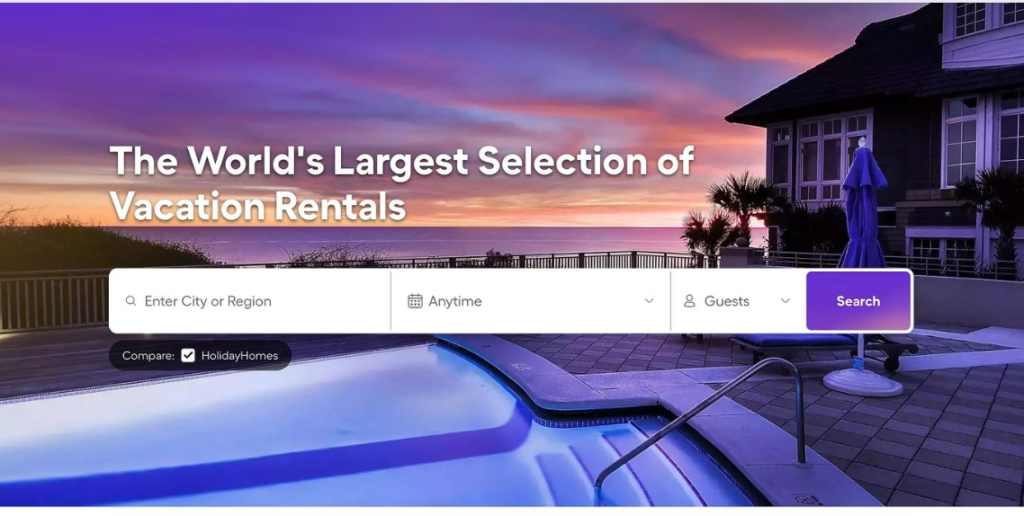
Creating a vacation rental website from scratch is an exciting endeavor that involves careful planning, design, and development. In this comprehensive guide, we'll walk through each step to help you build Vacation Rental Website platform. Whether you're a seasoned developer or someone exploring web development for the first time, this step-by-step guide will provide valuable insights. 

Define Your Requirements 

The journey begins with a clear definition of your website's features and functionality. Consider essential elements such as user registration, property listings, search options, booking systems, and user reviews. Take the time to outline your specific needs, keeping in mind the unique aspects of the vacation rental industry. 

Choose a Technology Stack 

Selecting the right technology stack is crucial for the success of your project. Decide on the programming language, web framework, and database that align with your goals. Popular choices include HTML, CSS, JavaScript, and backend frameworks like Django or Node.js. This foundational decision will influence the development process and determine the scalability and flexibility of your website. 

Set Up a Development Environment 

Prepare your development environment by installing the necessary tools, including a code editor, a version control system (e.g., Git), and a local server. This ensures a smooth workflow and facilitates collaboration if you're working with a team. Establishing a solid foundation at this stage will save time and streamline the development process. 

Step 4: Design the User Interface (UI) 

Create wireframes and mockups to design a visually appealing and user-friendly interface. Consider the user experience (UX) to enhance navigation and engagement. Utilize design tools such as Figma or Adobe XD to bring your vision to life. A well-thought-out UI is essential for attracting users and keeping them engaged with your vacation rental platform. 

Create Database Schema 

Develop a robust database schema to store critical information about users, properties, bookings, and reviews. Choose a suitable database system like MySQL or MongoDB, ensuring it aligns with your project's requirements. A well-designed database forms the backbone of your website, facilitating efficient data management and retrieval. Consider normalization principles to organize data and reduce redundancy within the database. This ensures efficient data management and contributes to the overall performance of your vacation rental platform. 

Implement User Authentication 

Security is a paramount concern in any web application, especially one that involves user data and transactions. Implement a secure user authentication system that enables user registration, login, and account management. Leverage authentication libraries or frameworks provided by your chosen technology stack to ensure the protection of user data. Security best practices include password hashing, encryption, and protection against common vulnerabilities such as SQL injection and cross-site scripting. Regularly update and patch security vulnerabilities to keep your user data safe. 

Develop Property Listing Feature 

The property listing feature is the heart of your vacation rental website. Enable property owners to showcase their rentals by implementing a comprehensive listing feature. Create a user-friendly form allowing property owners to submit details such as property descriptions, amenities, location, and images. 

Consider incorporating features such as image uploads, interactive maps, and the ability to highlight the unique selling points of each property. Implementing a robust property listing feature not only provides users with a diverse array of options but also enhances the overall appeal and functionality of your platform. 

Implement Search and Filter Functionality 

Enhance user experience by incorporating robust search and filter functionality. Users should be able to find vacation rentals based on criteria such as location, dates, number of guests, and amenities. A well-designed search feature simplifies the user journey and contributes to the overall usability of your platform. 

Add Booking and Payment System 

Integrate a secure booking system that allows users to reserve properties for specific dates. Implement a reliable payment system using services like Stripe or PayPal to process transactions securely. Ensure that your payment system complies with industry standards for security and data protection. 

Implement features such as booking confirmation emails, reservation history, and the ability to modify or cancel bookings. A seamless booking and payment process is crucial for user satisfaction and establishes the financial foundation of your vacation rental website. 

Develop User Review Feature 

Building trust among users is essential for the success of your vacation rental platform. Implement a user review and rating system that allows guests to share their experiences and feedback. Positive reviews contribute to the credibility of your platform, encouraging more users to explore and book vacation rentals through your website. 

Consider features such as verified reviews, responses from property owners, and the ability for users to filter properties based on ratings. Encourage honest and constructive reviews to foster a transparent and trustworthy community. 

Optimize for Mobile Responsiveness 

Ensure your website is accessible and visually appealing across various devices, including smartphones and tablets. Mobile responsiveness is crucial for reaching a broader audience and providing a consistent user experience. Test your website on different devices to identify and address any responsiveness issues. 

Test Thoroughly 

Before launching your website, conduct thorough testing to identify and address any bugs or issues. Test functionality, security, and user experience to ensure a smooth and reliable platform. Solicit feedback from beta users to gain valuable insights and make necessary improvements. 

Deploy the Website 

Choose a reliable web hosting service such as AWS, Heroku, or Netlify to deploy your vacation rental website. Deploying your website makes it accessible to users worldwide. Ensure that your hosting environment is secure and that your website performs optimally in a production environment. 

Monitor and Maintain 

Regularly monitor your website's performance and security to identify and address any issues promptly. Implement ongoing maintenance to keep your vacation rental platform running smoothly. Stay responsive to user feedback and continuously seek opportunities to enhance and expand your website's features. 

Conclusion 

In conclusion, building a vacation rental website involves a systematic approach, from defining requirements to deploying and maintaining the platform. By following these steps, you'll be well on your way to creating a successful and user-friendly vacation rental website. 

Thanks for reading STR Digital Blogs 

FAQs

How do I list my property on the vacation rental website?

To list your property, navigate to the "List Your Property" section on the website. Follow the prompts to provide detailed information about your rental, including property description, amenities, location, and images. Once submitted, our team will review the listing to ensure it meets our guidelines before being published. 

We use a secure payment system to process transactions between guests and property owners. When a guest makes a booking, the payment is securely processed through our platform. Property owners can set their preferred payment methods, and funds are transferred to their account after the guest's stay, minus any applicable fees. 

Yes, modifications or cancellations can be made, but it's essential to review the cancellation policy associated with each property. Property owners may have different policies regarding modifications and cancellations. You can find this information on the property listing or contact the owner directly for clarification. 

User reviews and ratings play a crucial role in building trust within our community. After a stay, guests can leave reviews and rate the property based on their experience. Property owners can respond to reviews, adding a layer of transparency. Reviews are moderated to ensure authenticity and adherence to community guidelines. 

As of now, we do not have a dedicated mobile app. However, our website is designed to be responsive, providing an optimal experience on various devices, including smartphones and tablets. You can access our platform through your mobile browser to search for properties, make bookings, and manage your account on the go. 

Avoiding the Pitfalls: A Comprehensive Guide to Vacation Rental Website Design 
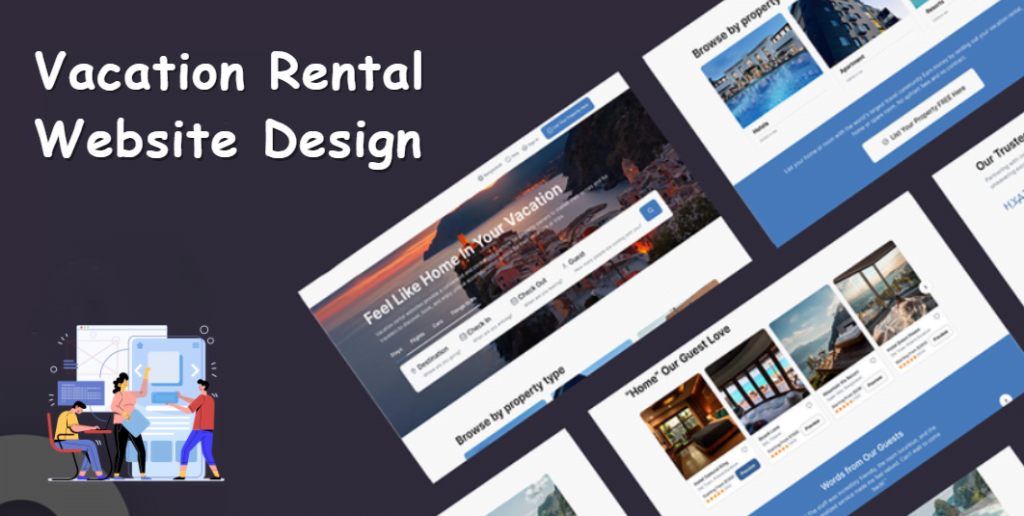
In the constantly evolving landscape of vacation rentals, the significance of a well-designed Vacation Rental website Design cannot be overstated. Beyond being a mere digital representation of your properties, it functions as the virtual storefront, the first impression potential guests make, and a powerful tool for converting casual browsers into enthusiastic bookers. A captivating vacation rental website goes beyond the superficial, extending its reach into crafting an immersive experience that invites visitors to envision themselves not just staying but thoroughly enjoying a memorable vacation. 

This guide aims to delve deeper into the intricacies of vacation rental website design, providing insights into the common pitfalls to avoid and actionable tips for creating a website that not only drives bookings but also enhances the overall guest experience. Let's navigate through the challenges and opportunities in this competitive space to ensure your vacation rental business stands out in the digital realm. 

Image Imperfections: The Power of Visuals 

The journey of a potential guest begins with visuals. In a Skyward study, content with relevant photos or Infographics saw a 94% increase in page views versus content without images.  

Images are the first elements that capture attention and shape initial impressions. Hence, the quality of your images is paramount. Steer clear of blurry, low-resolution images or generic stock photos that fail to encapsulate the unique essence of your property. Instead, invest in professional photography that not only showcases your property's best features but also captures the surrounding environment and overall ambiance. 

Consider creating a gallery that tells a visual story – from the cozy interiors to the breathtaking views. High-quality visuals not only build trust but also serve as a preview of the unique experience your property offers. 

Storytelling Deficiencies: Crafting Compelling Descriptions 

Moving beyond the visual, your property descriptions should be more than just a catalog of amenities. They should be narratives that entice potential guests to imagine themselves in the story you're telling. Use vivid language, descriptive details, and storytelling techniques to paint a comprehensive picture of the experience your guests can expect. 

Think about what sets your property apart – is it the historic charm, the modern amenities, or the proximity to local attractions? Craft your narrative around these unique selling points. Highlight the journey of staying at your property, from the moment guests step through the door to the memories they'll carry with them. 

Booking Barriers: Simplifying the Reservation Process 

No matter how captivating your visuals and compelling your descriptions, a cumbersome booking process can be a major turnoff for potential guests. Avoid hidden fees, confusing terminology, or complex navigation that can frustrate potential bookers. Provide clear instructions on how to book, display transparent pricing information, and offer multiple payment options to cater to different preferences. 

Consider implementing a secure online booking system that streamlines the reservation process. Security is crucial, and a trustworthy payment gateway ensures that sensitive information is handled with care, providing peace of mind for your guests. 

Mobile Neglect: Adapting to the Digital Age 

In an era where an increasing number of people book vacation rentals through mobile devices, optimizing your website for mobile viewing is not just an option; it's a necessity. Ensure your website is not only responsive but also adapts seamlessly to different screen sizes, providing a user-friendly experience for mobile users. 

Optimize images for faster loading times on mobile devices, employ responsive design principles to maintain a consistent look across various screens, and ensure that all buttons and links are easily tappable. A mobile-friendly website is not only user-centric but also contributes significantly to your search engine rankings. Follow the source for a comprehensive understanding of Mobile optimization for vacation Rentals.  

Social Proof Deficit: Unleashing the Power of User Endorsements 

Incorporate social media buttons and feeds into your website to connect with potential guests and showcase real-time user-generated content. Social proof is a powerful tool – it adds credibility to your property and builds trust among potential guests. Encourage guests to share their experiences on social media, creating a dynamic platform where others can see and engage with genuine testimonials. 

Utilize various social media platforms to not only share captivating visuals but also to engage with potential guests. Respond promptly to inquiries, share local insights, and create a sense of community around your vacation rental brand. 

SEO Oversights: Enhancing Search Visibility 

Search Engine Optimization (SEO) is the backbone of online visibility. Ensuring your website appears in search results when potential guests are looking for vacation rentals in your area is crucial for attracting organic traffic. Optimize your website content with relevant keywords, use meta descriptions effectively, and build backlinks from high-quality websites in the travel and hospitality niche. 

Regularly update your content to align with trending search terms and evolving user behaviors. Leverage tools like Google Analytics to monitor your website's performance and make informed decisions about your SEO strategy. 

Maintenance Mishaps: Keeping Your Website Fresh and Up-to-date 

Your website is a living entity that requires constant care and attention. Regularly review your website for content errors, broken links, and outdated information. Ensure your website is compatible with the latest browsers and security updates, providing a seamless experience for users across various platforms. 

Consider implementing a content calendar to plan regular updates, whether it's adding new property listings, showcasing local events, or sharing guest testimonials. A well-maintained website not only keeps visitors engaged but also contributes to higher search engine rankings. Follow the source for a clear understanding of Website Maintenance.  

Data-Driven Blindness: Embracing Analytics for Continuous Improvement 

In the digital realm, data is your compass. Regularly analyze your website traffic and user behavior to identify areas for improvement. Utilize tools like Google Analytics to track key metrics such as bounce rates, conversion rates, and average booking value. 

Leverage data-driven insights to optimize content, design, and user experience for maximum conversions. Identify patterns, understand user preferences, and adapt your website to align with the ever-changing dynamics of the online marketplace. Embrace A/B testing to experiment with different elements and determine what resonates best with your audience. 

Conclusion: A Recipe for Success 

By navigating these common pitfalls and implementing the actionable tips provided, you have the potential to create a captivating vacation rental website that not only drives bookings but also enhances the overall guest experience. Your website is not just a platform; it's an experience waiting to unfold for your guests. 

Remember, creating a successful vacation rental website is an ongoing process. Embrace the dynamic nature of the industry, stay attuned to evolving trends, and adapt your website to meet the changing preferences of your audience. A harmonious blend of data-driven decisions, compelling storytelling, and visual appeal will set your website apart in the crowded digital landscape. 

In the end, your website is not just a means to an end; it's a crucial part of the journey that potential guests embark upon when considering your property. Craft it with care, continuously refine it, and let it stand as a testament to the unique experiences awaiting those who choose your vacation rental. 

Thanks for reading STR Digital Blog’s 

You may also like 

FAQs

What information should I include in my vacation rental property description?

Your property description should go beyond listing amenities. Highlight unique features, nearby attractions, and the overall ambiance. Use vivid language and storytelling techniques to help potential guests envision their stay. Mention any special touches that make your property stand out. 

To optimize your website for mobile users, ensure it is responsive and adapts to different screen sizes. Optimize images for faster loading, use a mobile-friendly design, and make buttons and links easily tappable. Test your website on various devices to guarantee a seamless and user-friendly experience for mobile users. 

A seamless booking process involves clear instructions on how to book, transparent pricing information, and multiple payment options. Avoid hidden fees and confusing terminology. Implementing a secure online booking system enhances the booking experience and provides peace of mind for your guests. 

Incorporate social media buttons on your website to connect with potential guests. Encourage guests to share their experiences on platforms like Instagram and Facebook. Use these channels to share captivating visuals, engage with your audience, and build social proof. Respond to inquiries promptly to foster a sense of community around your brand. 

SEO is crucial for improving the visibility of your website in search engine results. It helps potential guests find your property when searching for vacation rentals in your area. Optimize your website with relevant keywords, use effective meta descriptions, and build backlinks from reputable websites to enhance your online presence and attract organic traffic. Regularly update your content to align with evolving search trends.