
Step-by-Step: Build Vacation Rental Website from Scratch  
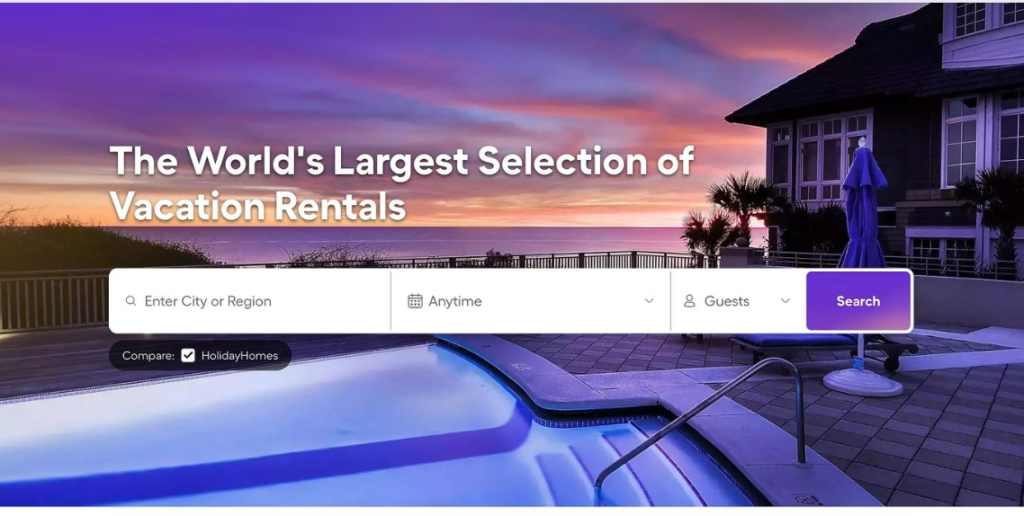
Creating a vacation rental website from scratch is an exciting endeavor that involves careful planning, design, and development. In this comprehensive guide, we'll walk through each step to help you build Vacation Rental Website platform. Whether you're a seasoned developer or someone exploring web development for the first time, this step-by-step guide will provide valuable insights. 

Define Your Requirements 

The journey begins with a clear definition of your website's features and functionality. Consider essential elements such as user registration, property listings, search options, booking systems, and user reviews. Take the time to outline your specific needs, keeping in mind the unique aspects of the vacation rental industry. 

Choose a Technology Stack 

Selecting the right technology stack is crucial for the success of your project. Decide on the programming language, web framework, and database that align with your goals. Popular choices include HTML, CSS, JavaScript, and backend frameworks like Django or Node.js. This foundational decision will influence the development process and determine the scalability and flexibility of your website. 

Set Up a Development Environment 

Prepare your development environment by installing the necessary tools, including a code editor, a version control system (e.g., Git), and a local server. This ensures a smooth workflow and facilitates collaboration if you're working with a team. Establishing a solid foundation at this stage will save time and streamline the development process. 

Step 4: Design the User Interface (UI) 

Create wireframes and mockups to design a visually appealing and user-friendly interface. Consider the user experience (UX) to enhance navigation and engagement. Utilize design tools such as Figma or Adobe XD to bring your vision to life. A well-thought-out UI is essential for attracting users and keeping them engaged with your vacation rental platform. 

Create Database Schema 

Develop a robust database schema to store critical information about users, properties, bookings, and reviews. Choose a suitable database system like MySQL or MongoDB, ensuring it aligns with your project's requirements. A well-designed database forms the backbone of your website, facilitating efficient data management and retrieval. Consider normalization principles to organize data and reduce redundancy within the database. This ensures efficient data management and contributes to the overall performance of your vacation rental platform. 

Implement User Authentication 

Security is a paramount concern in any web application, especially one that involves user data and transactions. Implement a secure user authentication system that enables user registration, login, and account management. Leverage authentication libraries or frameworks provided by your chosen technology stack to ensure the protection of user data. Security best practices include password hashing, encryption, and protection against common vulnerabilities such as SQL injection and cross-site scripting. Regularly update and patch security vulnerabilities to keep your user data safe. 

Develop Property Listing Feature 

The property listing feature is the heart of your vacation rental website. Enable property owners to showcase their rentals by implementing a comprehensive listing feature. Create a user-friendly form allowing property owners to submit details such as property descriptions, amenities, location, and images. 

Consider incorporating features such as image uploads, interactive maps, and the ability to highlight the unique selling points of each property. Implementing a robust property listing feature not only provides users with a diverse array of options but also enhances the overall appeal and functionality of your platform. 

Implement Search and Filter Functionality 

Enhance user experience by incorporating robust search and filter functionality. Users should be able to find vacation rentals based on criteria such as location, dates, number of guests, and amenities. A well-designed search feature simplifies the user journey and contributes to the overall usability of your platform. 

Add Booking and Payment System 

Integrate a secure booking system that allows users to reserve properties for specific dates. Implement a reliable payment system using services like Stripe or PayPal to process transactions securely. Ensure that your payment system complies with industry standards for security and data protection. 

Implement features such as booking confirmation emails, reservation history, and the ability to modify or cancel bookings. A seamless booking and payment process is crucial for user satisfaction and establishes the financial foundation of your vacation rental website. 

Develop User Review Feature 

Building trust among users is essential for the success of your vacation rental platform. Implement a user review and rating system that allows guests to share their experiences and feedback. Positive reviews contribute to the credibility of your platform, encouraging more users to explore and book vacation rentals through your website. 

Consider features such as verified reviews, responses from property owners, and the ability for users to filter properties based on ratings. Encourage honest and constructive reviews to foster a transparent and trustworthy community. 

Optimize for Mobile Responsiveness 

Ensure your website is accessible and visually appealing across various devices, including smartphones and tablets. Mobile responsiveness is crucial for reaching a broader audience and providing a consistent user experience. Test your website on different devices to identify and address any responsiveness issues. 

Test Thoroughly 

Before launching your website, conduct thorough testing to identify and address any bugs or issues. Test functionality, security, and user experience to ensure a smooth and reliable platform. Solicit feedback from beta users to gain valuable insights and make necessary improvements. 

Deploy the Website 

Choose a reliable web hosting service such as AWS, Heroku, or Netlify to deploy your vacation rental website. Deploying your website makes it accessible to users worldwide. Ensure that your hosting environment is secure and that your website performs optimally in a production environment. 

Monitor and Maintain 

Regularly monitor your website's performance and security to identify and address any issues promptly. Implement ongoing maintenance to keep your vacation rental platform running smoothly. Stay responsive to user feedback and continuously seek opportunities to enhance and expand your website's features. 

Conclusion 

In conclusion, building a vacation rental website involves a systematic approach, from defining requirements to deploying and maintaining the platform. By following these steps, you'll be well on your way to creating a successful and user-friendly vacation rental website. 

Thanks for reading STR Digital Blogs 

FAQs

How do I list my property on the vacation rental website?

To list your property, navigate to the "List Your Property" section on the website. Follow the prompts to provide detailed information about your rental, including property description, amenities, location, and images. Once submitted, our team will review the listing to ensure it meets our guidelines before being published. 

We use a secure payment system to process transactions between guests and property owners. When a guest makes a booking, the payment is securely processed through our platform. Property owners can set their preferred payment methods, and funds are transferred to their account after the guest's stay, minus any applicable fees. 

Yes, modifications or cancellations can be made, but it's essential to review the cancellation policy associated with each property. Property owners may have different policies regarding modifications and cancellations. You can find this information on the property listing or contact the owner directly for clarification. 

User reviews and ratings play a crucial role in building trust within our community. After a stay, guests can leave reviews and rate the property based on their experience. Property owners can respond to reviews, adding a layer of transparency. Reviews are moderated to ensure authenticity and adherence to community guidelines. 

As of now, we do not have a dedicated mobile app. However, our website is designed to be responsive, providing an optimal experience on various devices, including smartphones and tablets. You can access our platform through your mobile browser to search for properties, make bookings, and manage your account on the go. 

Why You Need a Direct Booking Website for Vacation Rental: Getting Started Guide 

The vacation rental industry is in a constant state of evolution, and as a property owner, having a direct booking website is not just a strategic choice; it's a necessity. This comprehensive guide aims to delve deep into the myriad reasons why a direct booking website is crucial for the success of your vacation rental business.  

Why You Need a Direct Booking Website for Your Vacation Rental:  

Are you tired of paying high commissions to online travel agencies (OTAs)? Do you want to build a stronger relationship with your guests and take control of your brand? If so, then you need a direct booking website for your vacation rental. 

What is a direct booking website? 

A direct booking website is a website that allows guests to book your vacation rental directly, without having to go through an OTA. This means that you can collect all of the booking revenue yourself, without having to pay a commission. As we explore the advantages and practicalities, this guide will also provide you with a step-by-step approach to help you initiate and optimize your own direct booking platform. 

Ownership and Control: Taking Charge of Your Business 

In a landscape where third-party platforms dominate, ownership and control over your booking process are fundamental. Relying solely on external platforms means relinquishing control over vital aspects of your business, from guest communication to pricing strategies. A direct booking website empowers you to shape the guest experience, establish direct communication, and maintain control over policies and pricing. Taking charge of your business not only enhances guest satisfaction but also lays the foundation for sustained growth and a more resilient business model. 

Key Takeaway: Your direct booking website puts you in the driver's seat, allowing you to steer the course of your vacation rental business. 

Cost Efficiency: Reducing Dependency on Third-Party Platforms 

One of the most tangible benefits of a direct booking website is the reduction of dependency on third-party platforms, leading to significant cost efficiency. Commission fees associated with online travel agencies (OTAs) can eat into your profits, impacting the overall financial health of your business. By redirecting bookings through your own platform, you can mitigate or eliminate these commission fees, allowing you to reinvest in property improvements, marketing efforts, and guest amenities. 

Key Takeaway: A direct booking website is not just a revenue generator; it's a cost-saving mechanism that improves your bottom line. 

Building Trust with Guests: Personalized Interactions 

Trust is paramount in the vacation rental industry, and establishing a direct connection with your guests fosters trust through personalized interactions. A direct booking website allows you to communicate directly with potential guests, addressing their concerns, providing tailored recommendations, and offering a personal touch that is often lost on third-party platforms. Building trust not only enhances the guest experience but also encourages repeat bookings and positive word-of-mouth referrals. 

Key Takeaway: Direct communication builds a foundation of trust, transforming one-time guests into loyal patrons. 

Maximizing Revenue: Eliminating Commission Fees 

Commission fees on third-party platforms can substantially impact your revenue. Some reports says, The global commission rate average for Booking.com is 15%. A direct booking website offers a solution by allowing you to maximize your earnings. With reduced or eliminated commission fees, you can price your property more competitively while still maintaining or increasing your profit margins. This financial advantage positions your vacation rental for increased profitability and long-term financial sustainability. 

Key Takeaway: Your direct booking website is not just a revenue stream; it's a means to retain more of the revenue you generate. 

Brand Identity: Crafting a Unique Presence 

Your vacation rental property is unique, and a direct booking website provides the ideal platform to showcase its distinctive features. Crafting a strong brand identity sets you apart in a crowded market. Through your website, you can convey your property's personality, highlight its unique amenities, and create a memorable experience for guests. This branding not only attracts guests looking for a specific type of accommodation but also fosters a sense of loyalty among those who appreciate your property's individuality. Follow the source for a clear understanding of Brand Identity.

Key Takeaway: Your direct booking website is a canvas for your brand, allowing you to tell a compelling story that resonates with your target audience. 

Getting Started: Step-by-Step Guide 

Now that the benefits of having a direct booking website are apparent, let's explore the practical steps to get you started on this transformative journey.  

Step 1: Selecting the Right Platform

   - Consider factors such as ease of use, customization options, and integration capabilities when choosing a platform for your direct booking website. 

Step 2: Securing a Domain Name** 

   - Choose a domain name that reflects your property and is easy for guests to remember. 

Step 3: Designing Your Website

   - Optimize your website design for user experience. Ensure it is visually appealing, easy to navigate, and mobile-friendly.  

Step 4: Integrating Secure Payment Gateways

   - Prioritize secure payment gateways to instill confidence in your guests and protect their financial information. 

Step 5: Setting Up Booking Procedures

   - Streamline your booking process, making it straightforward and efficient for potential guests. 

Step 6: Ensuring Regulatory Compliance

   - Familiarize yourself with local regulations and industry standards to ensure your direct booking website complies with legal requirements. 

Key Takeaway: Each step is a building block toward a robust and effective direct booking website. 

Optimizing the User Experience: Navigating the Essentials 

A key aspect of a successful direct booking website is the user experience. Your website should be intuitive, easy to navigate, and optimized for conversions.  

Transparent Pricing

   - Clearly communicate your pricing structure, avoiding hidden fees, and providing potential guests with a transparent view of the costs associated with their stay. 

Responsive Design

   - Optimize your website for various devices, ensuring a seamless experience for users accessing it from smartphones, tablets, or computers. 

Clear Call-to-Actions

   - Guide visitors through the booking process with clear and compelling calls-to-action, reducing friction and encouraging conversions. 

Testimonials and Reviews

   - Showcase positive guest experiences through testimonials and reviews, instilling confidence in potential guests. 

Interactive Features

   - Implement interactive features such as virtual tours, high-quality images, and detailed property descriptions to engage and captivate potential guests. 

Key Takeaway: An optimized user experience is the cornerstone of a direct booking website that converts visitors into guests. 

Marketing Your Direct Booking Website: Strategies for Success

Having a direct booking website is just the beginning; effective marketing is essential to drive traffic to your platform. 

Utilizing Social Media 

   - Leverage platforms like Facebook, Instagram, and Twitter to showcase your property, engage with potential guests, and drive traffic to your direct booking website. 

Implementing SEO Best Practices

   - Optimize your website for search engines to increase its visibility. Conduct keyword research, create valuable content, and build high-quality backlinks to enhance your website's search engine ranking. 

Leveraging Email Marketing

   - Build an email list and implement targeted email campaigns to stay connected with past guests, promote special offers, and encourage direct bookings. 

Collaborating with Influencers

   - Partner with travel influencers or bloggers to increase awareness about your property and reach a broader audience. 

Utilizing Paid Advertising

   - Consider paid advertising channels such as Google Ads to increase the visibility of your direct booking website to users actively searching for vacation rentals. 

Key Takeaway: A comprehensive marketing strategy ensures that your direct booking website reaches potential guests and establishes itself as a go-to destination for travelers seeking unique and personalized accommodations. 

Conclusion: 

Embarking on the journey of creating and managing your direct booking website is a pivotal step toward long-term success in the vacation rental industry. Your direct booking website is not merely a digital platform; it's a strategic asset that empowers you to shape your brand, retain more revenue, and build lasting relationships with your guests. Embrace the future of vacation rental management, and embark on the path to greater independence, profitability, and success. By leveraging the advantages you position your vacation rental business as a unique and sought-after destination in a competitive market. 

Thanks for reading STR Digital Blogs 

FAQs

Why should I invest in a direct booking website for my vacation rental?

A direct booking website empowers you with ownership and control, reduces dependency on third-party platforms, and allows you to maximize revenue by eliminating or reducing commission fees. It's a strategic investment in the long-term success and financial sustainability of your vacation rental business. 

A direct booking website fosters personalized interactions, builds trust with guests through direct communication, and provides a platform for showcasing your property's unique features. This personalized approach contributes to a positive guest experience, encouraging loyalty and repeat bookings. 

Setting up a direct booking website involves selecting the right platform, securing a domain name, designing the website for optimal user experience, integrating secure payment gateways, establishing clear booking procedures, and ensuring compliance with local regulations. Each step is crucial for a robust and effective platform. 

A direct booking website allows you to craft a unique brand identity, showcase your property's distinctive features, and tell a compelling story. This branding sets you apart in a crowded market, attracting guests looking for a specific type of accommodation and fostering a sense of loyalty among those who appreciate your property's individuality. 

Effective marketing strategies include utilizing social media platforms to engage with potential guests, implementing SEO best practices to increase visibility on search engines, leveraging email marketing for targeted campaigns, collaborating with influencers for broader reach, and considering paid advertising channels to promote your direct booking website and increase bookings.